
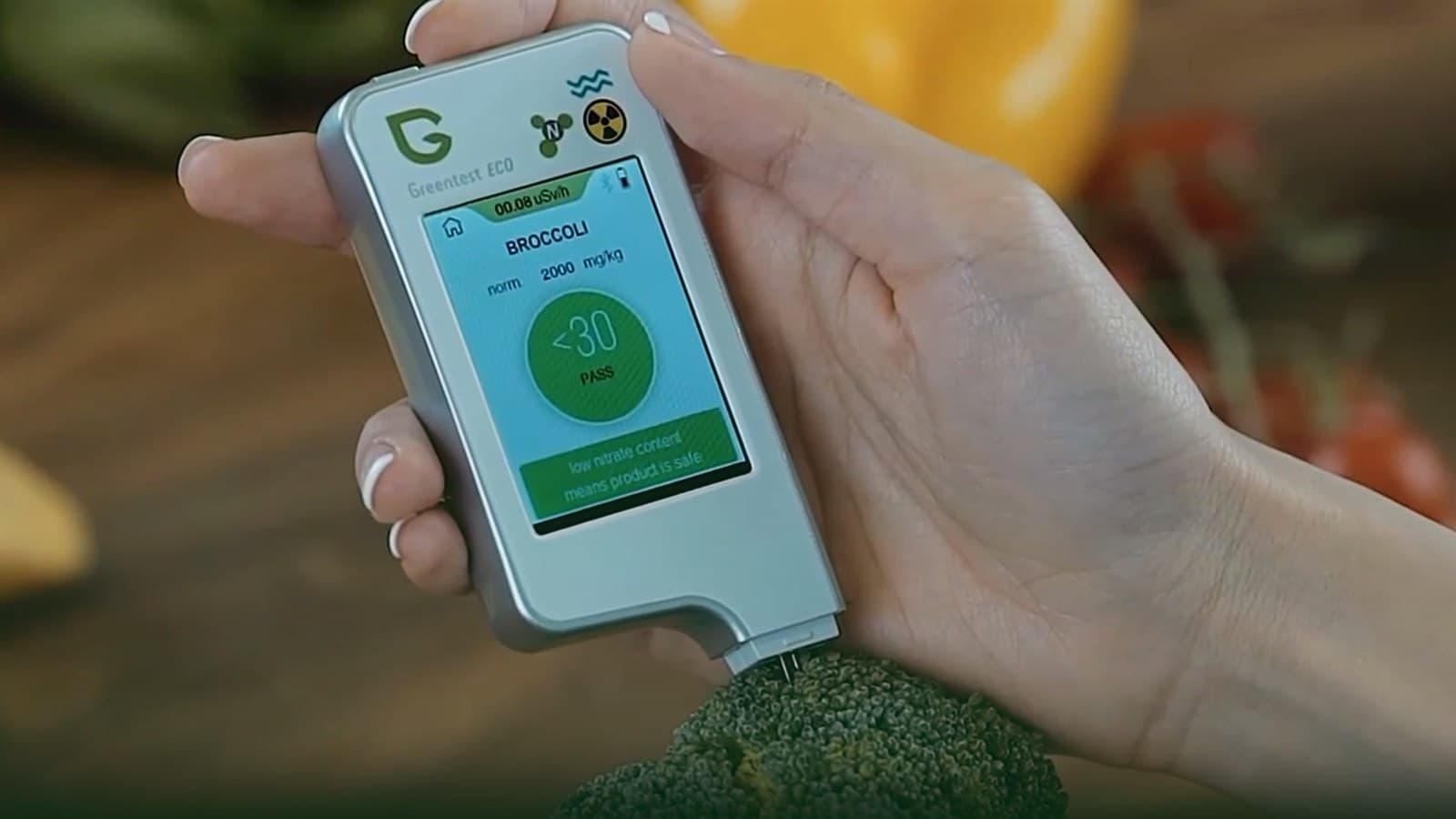
Green result
Green means the value is below the built-in limit for the selected product. For household use, this is the calmest scenario: the product has passed a quick screening.
If the product is large or uneven, one green result does not prevent you from testing another part. This is especially useful for watermelon, cabbage, beetroot, leafy greens and large fruit.
Orange result
Orange is the attention zone. It may mean the value is close to the limit or that the measurement conditions deserve a second check. The best action is to repeat the test in another part of the product.
If repeated results are again close to the limit, avoid using the product for baby food or eating it raw in large amounts.
Red result
Red means the limit for the selected product is exceeded. In this situation, do not try to find a point with a lower value. Make a control measurement nearby and see whether the high value repeats.
If the red result is confirmed, it is better not to eat the product raw. Heat treatment can reduce nitrate levels in some vegetables, but a household test is still not a laboratory conclusion.
Why the number matters too
The color gives a quick hint, while the number shows the scale. A value slightly above the limit and a value several times higher require different levels of caution.
Keep the logic simple: green - calmer use, orange - repeat and think, red - do not take unnecessary risks without an additional check.
Can I rely on the color only?
For a quick household decision the color is convenient, but it is better to read the number too, especially with orange or red results.
What if the results differ a lot?
Make one more measurement in a third spot. Uneven distribution is normal inside produce, but for eating it is better to follow the more cautious scenario.
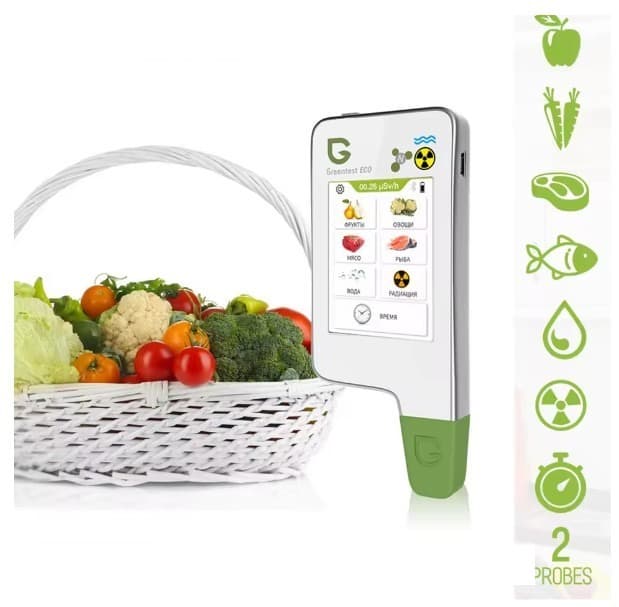 Greentest ECO 6F ecotester
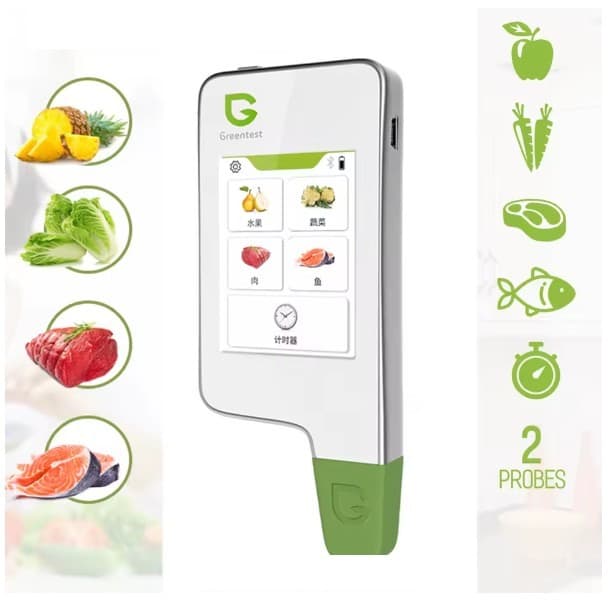 Greentest 2F nitrate tester
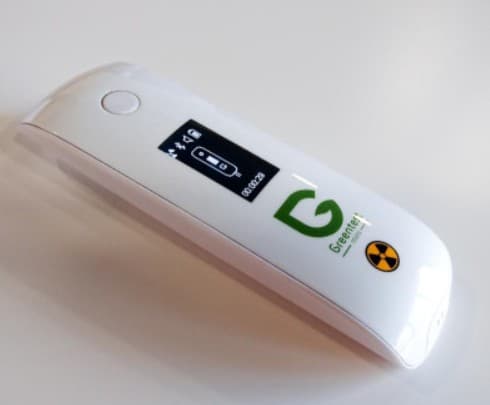 GreenTest mini ECO ecotester